New York, NY — Main Laboratories, Write-Up Desks, Support Labs & Specialized Research Spaces
A Landmark Project for a Landmark Institution
The Stavros Niarchos Foundation–David Rockefeller River Campus represents one of the most ambitious expansions in Rockefeller University’s history — more than 160,000 sq ft of new laboratory and research space built directly above the FDR Drive and the East River. Designed by Rafael Viñoly Architects and constructed by Turner Construction, the project created a continuous, light-filled research environment that connects the university’s historic campus with a new generation of scientific discovery.
The building earned SEFA Lab of the Year (2020) and multiple architectural awards for its technical ingenuity, structural complexity, and human-centered design. It stands as a model for how architecture, engineering, and scientific purpose can align to create a research environment unlike any other.
A Vision Brought to Life Through Collaboration
The architectural team described the project as one that had to be “created out of thin air” — a structure suspended above a major highway, engineered with extraordinary precision. At the time of the project, Jay Bargmann served as Vice President at Rafael Viñoly Architects, bringing his signature clarity and rigor to the design and coordination process. Now practicing independently, his reflections continue to underscore the extraordinary collaboration required to deliver a building of this complexity.
That same spirit of partnership extended into the laboratory interiors. Alexander Kogan, Associate Vice President, Rockefeller University, played a central role in shaping the operational and functional vision for the new campus. Responsible for a team of 170 employees, the daily operations of more than 25 research buildings and 750 residential units, and oversight of major operating, utility, and capital budgets, he brought a deep understanding of how research environments must perform at every level.
His leadership ensured that the new laboratories would be open, adaptable, and timeless — capable of supporting generations of scientists without locking the university into rigid or outdated configurations.
BICASA’s Contribution — A Scalable, Future-Ready Lab Environment
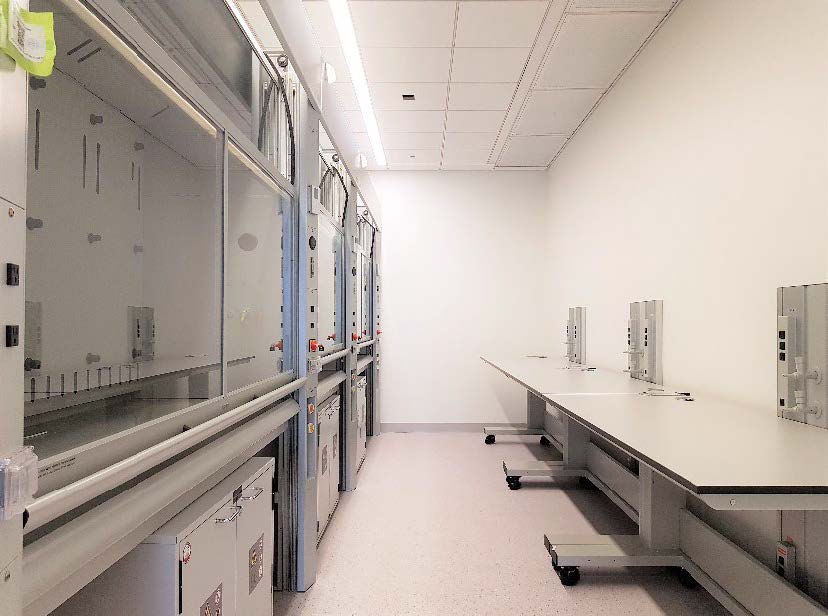
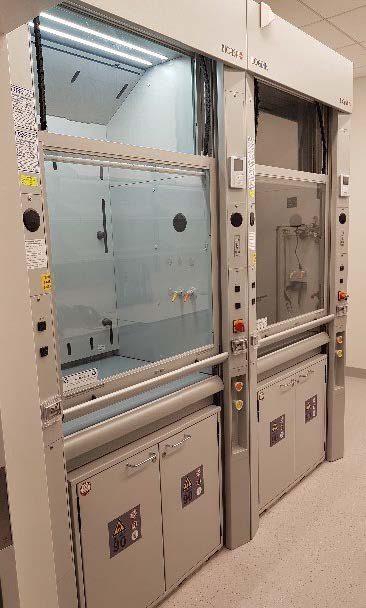
BICASA supported this vision through the design, engineering, and delivery of a fully integrated Kristal laboratory system, including:
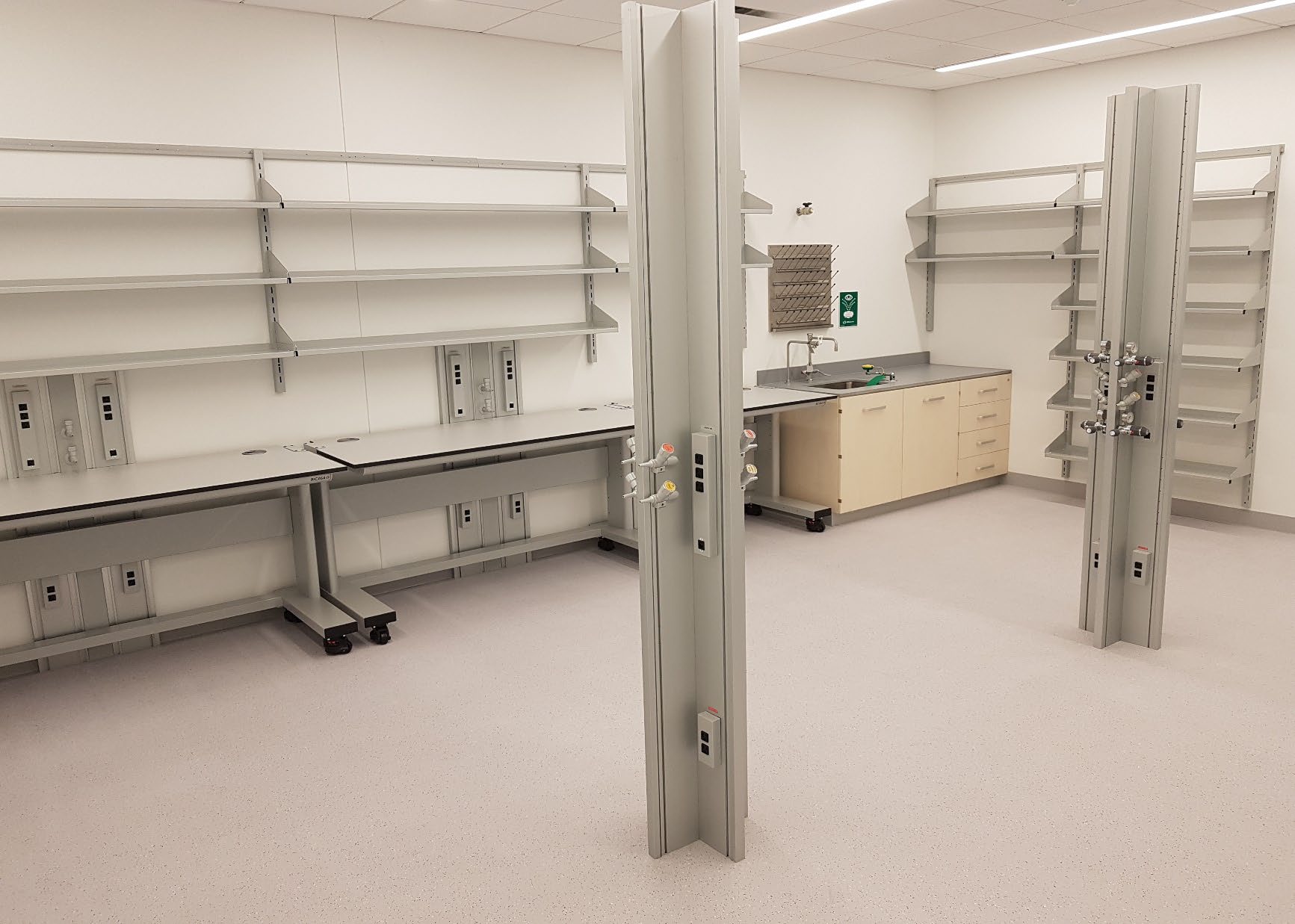
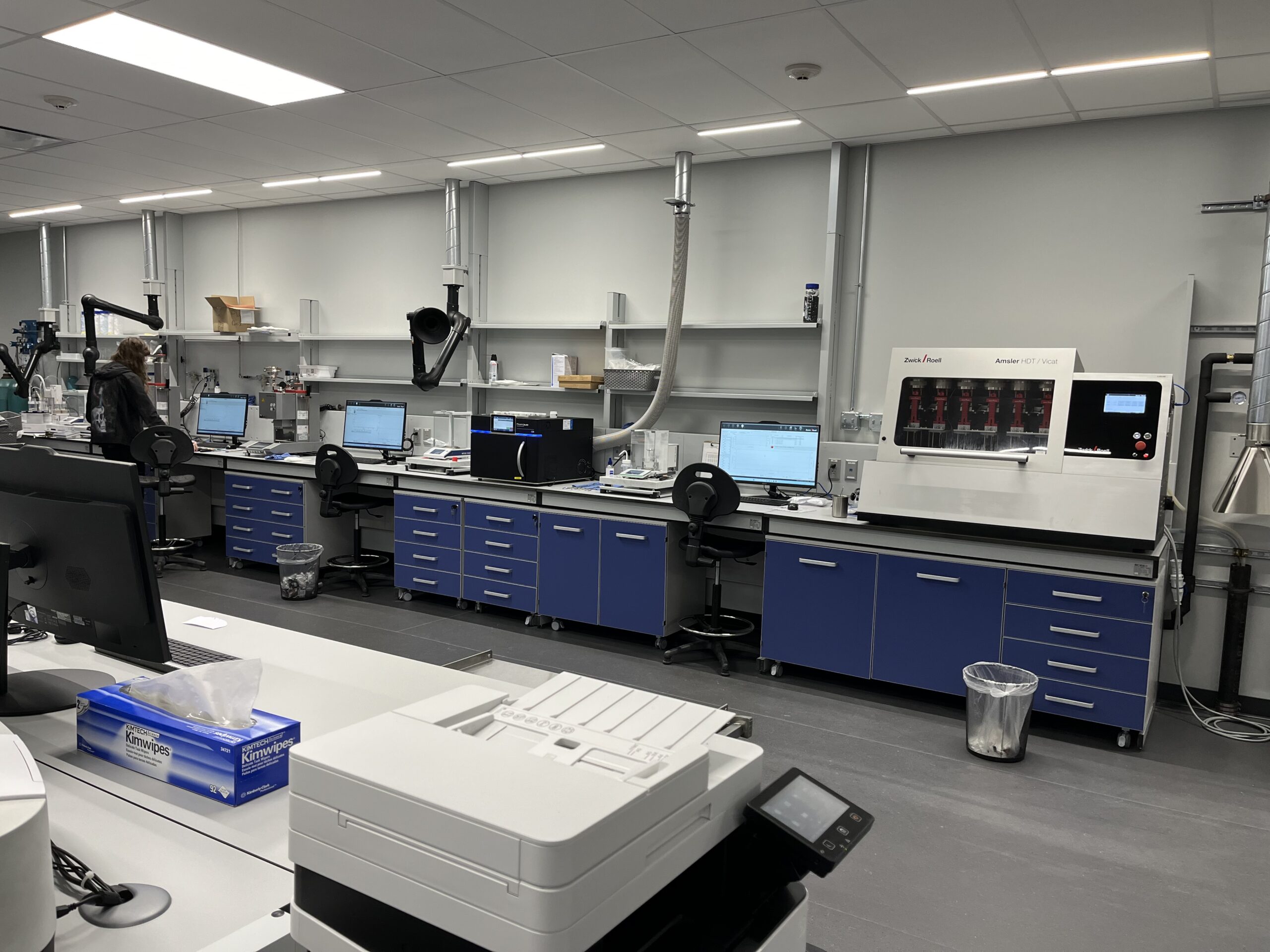
- Main laboratory benches
- Write-up desks and researcher workstations
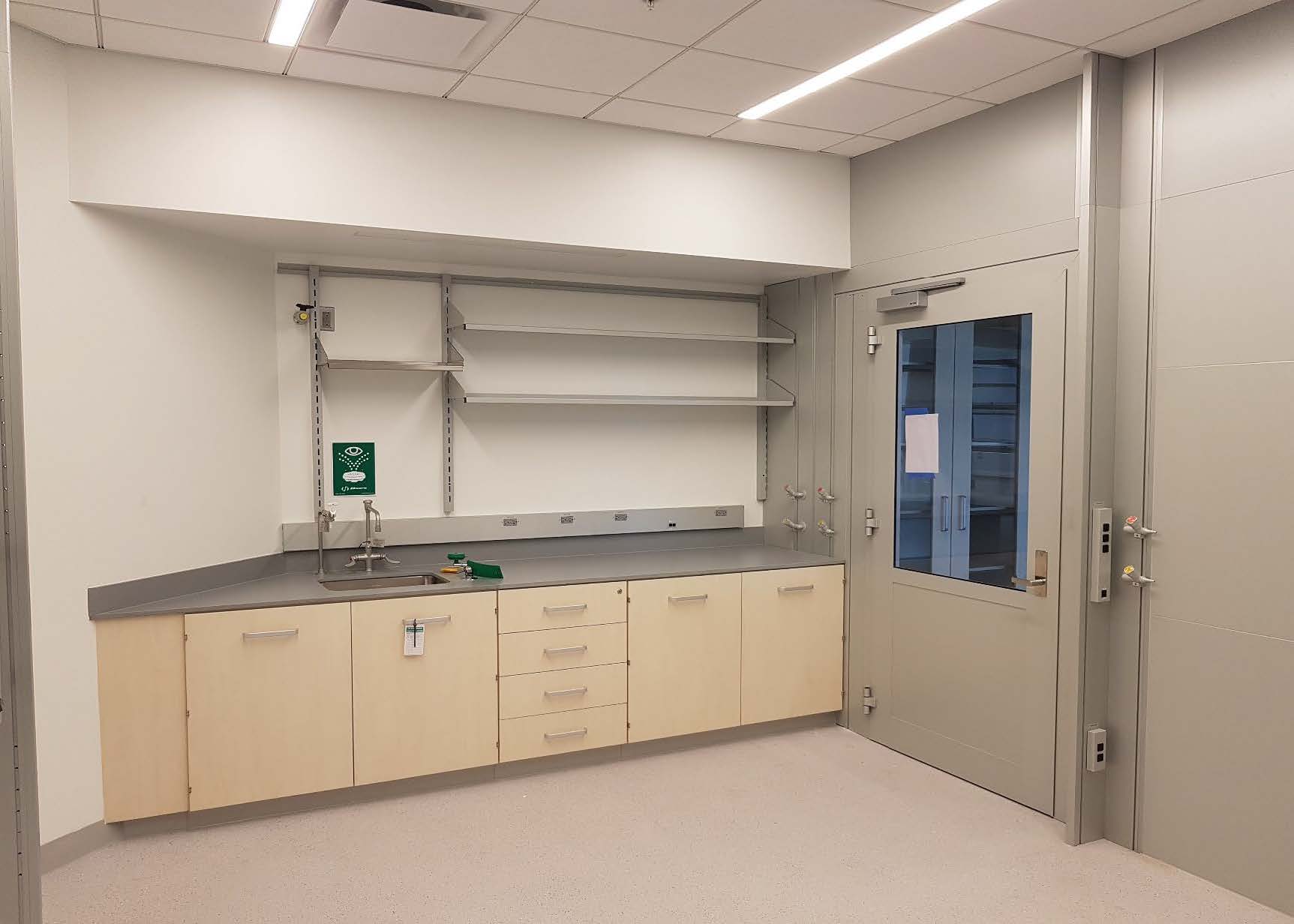
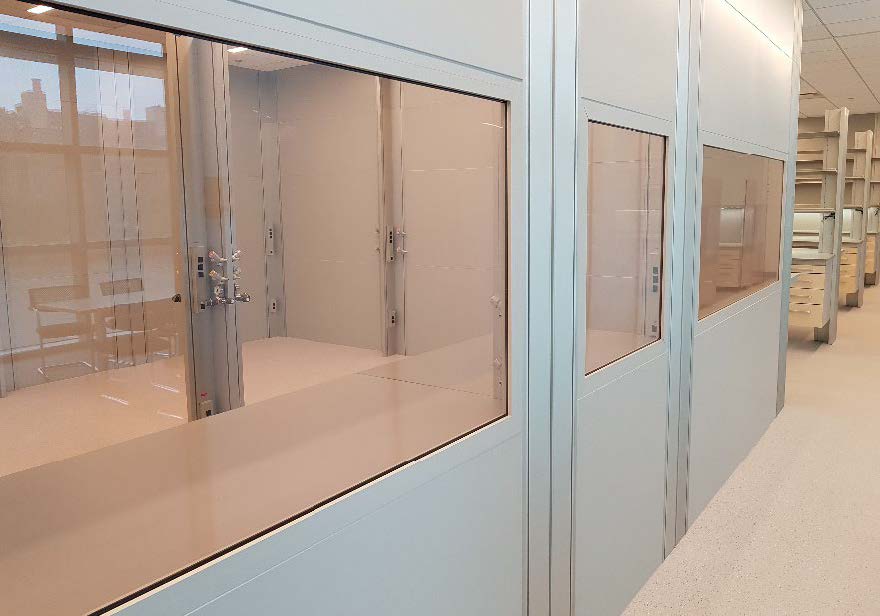
- Support labs and specialty research areas
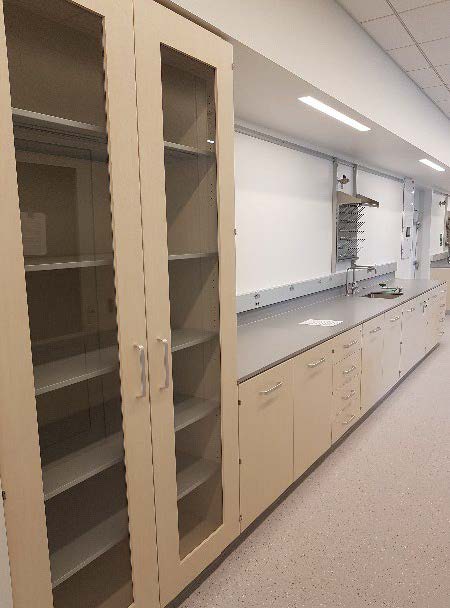
- Fixed casework with metal carcasses and warm wood fronts
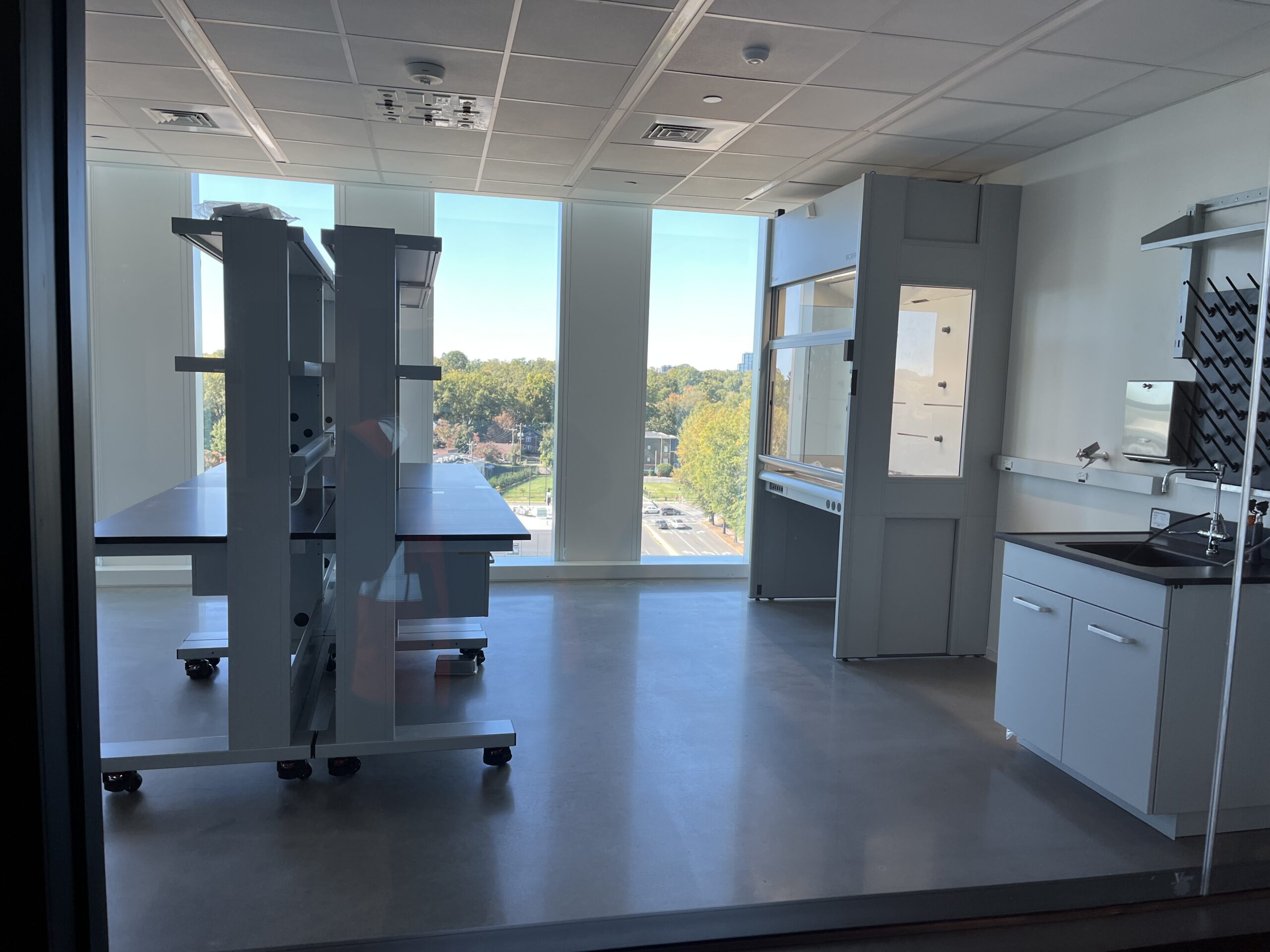
- A large number of high-performance fume hoods
- Acoustic wall systems and sound-mitigating components
- Technical infrastructure integration across all research floors
More than 1,000 Kristal benches were installed across the building, creating a unified, modular environment that supports both individual research and collaborative team science.
Engineering for a Building Like No Other
Because the entire structure is suspended above the FDR Drive, every interior system required careful coordination with the building’s structural and vibration-control strategy. To support this, BICASA engineered a specialized interface that allowed the Kristal system to work seamlessly with the suspended floor structure.
All utilities — including power, data, and services — were routed cleanly through the floor, preserving the architectural intent of unobstructed sightlines to the Kristal uprights and maintaining the open, airy character of the research floors. This approach ensured both technical performance and visual clarity, reinforcing the building’s emphasis on transparency and collaboration.
Craftsmanship, Precision, and Union Installation
All laboratory systems were installed by a skilled union team, ensuring the level of precision, safety, and craftsmanship required for a project of this scale and complexity. The result is a research environment that feels both technically robust and remarkably refined — a space where scientists can work comfortably, efficiently, and without distraction.
A Research Campus Built for the Future
The Stavros Niarchos Foundation–David Rockefeller River Campus is more than a building; it is a statement of Rockefeller University’s commitment to scientific excellence and long-term adaptability. The Kristal system’s modularity ensures that the labs can evolve with emerging research needs, new technologies, and future generations of investigators.
BICASA is proud to have contributed to a project that sets a new benchmark for laboratory design, engineering integration, and architectural ambition.