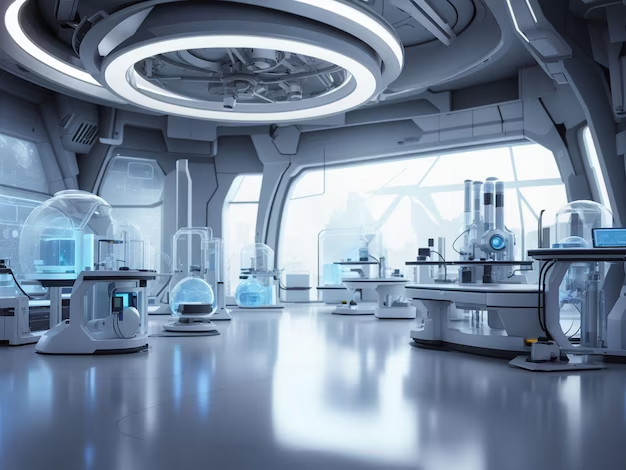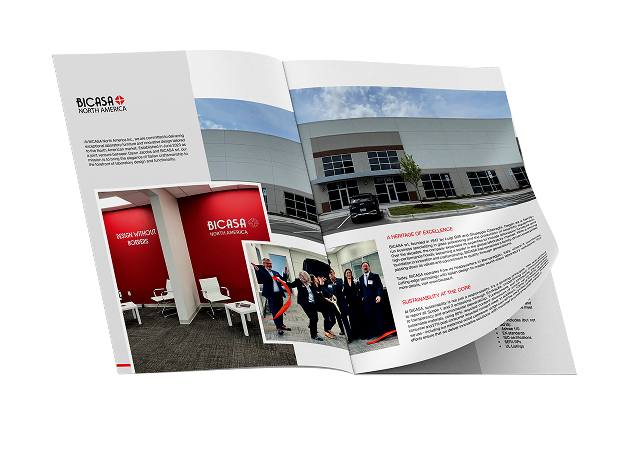


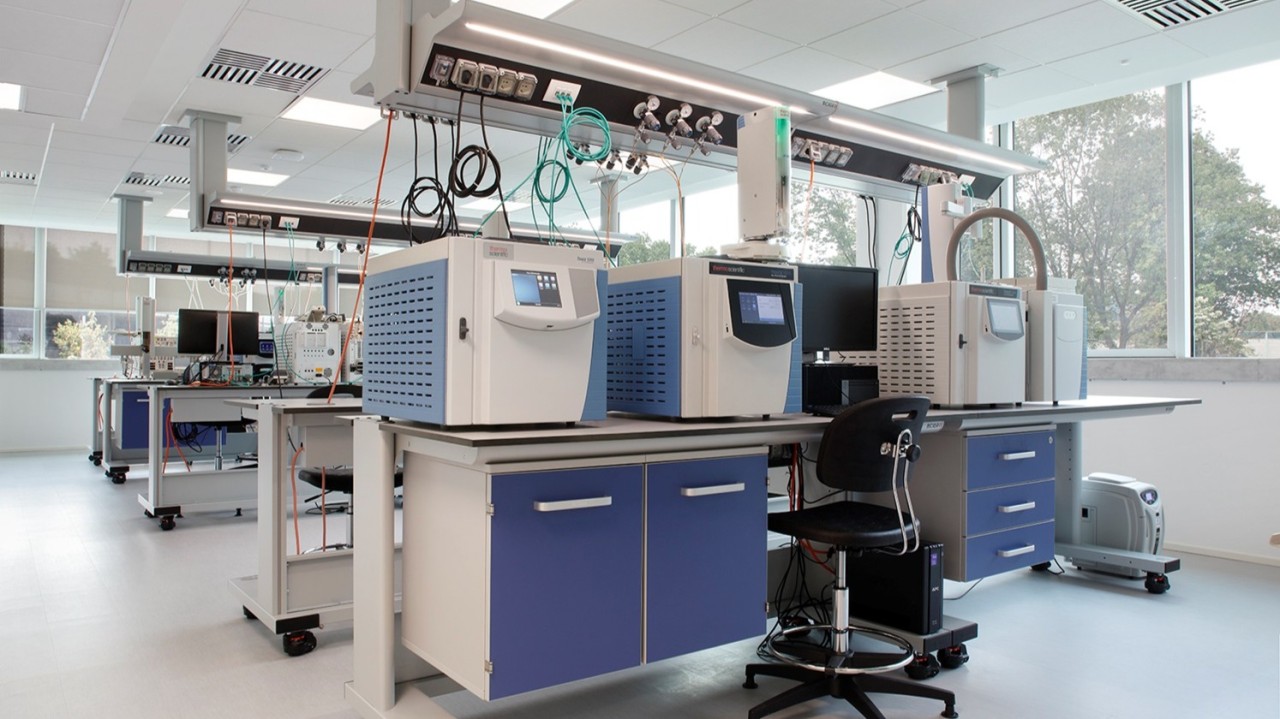
Laboratories are no longer the static, rigid spaces they once were. With the rapid advancements in science and technology, the design and functionality of lab furniture have evolved significantly. Today’s labs demand flexibility, sustainability, and ergonomic solutions that can adapt to a variety of research needs and workflows. In this blog post, we’ll explore how laboratory furniture has changed over the years and highlight some of the key trends driving these transformations.
A Glimpse into the Past
Traditional laboratories were designed, featuring fixed casework and heavy, immovable furniture. This often led to inefficient use of space and limited the ability to reconfigure the lab for different experiments or evolving research needs. However, as the pace of scientific discovery increased, so did the need for more adaptable lab environments.
The Shift Towards Flexibility
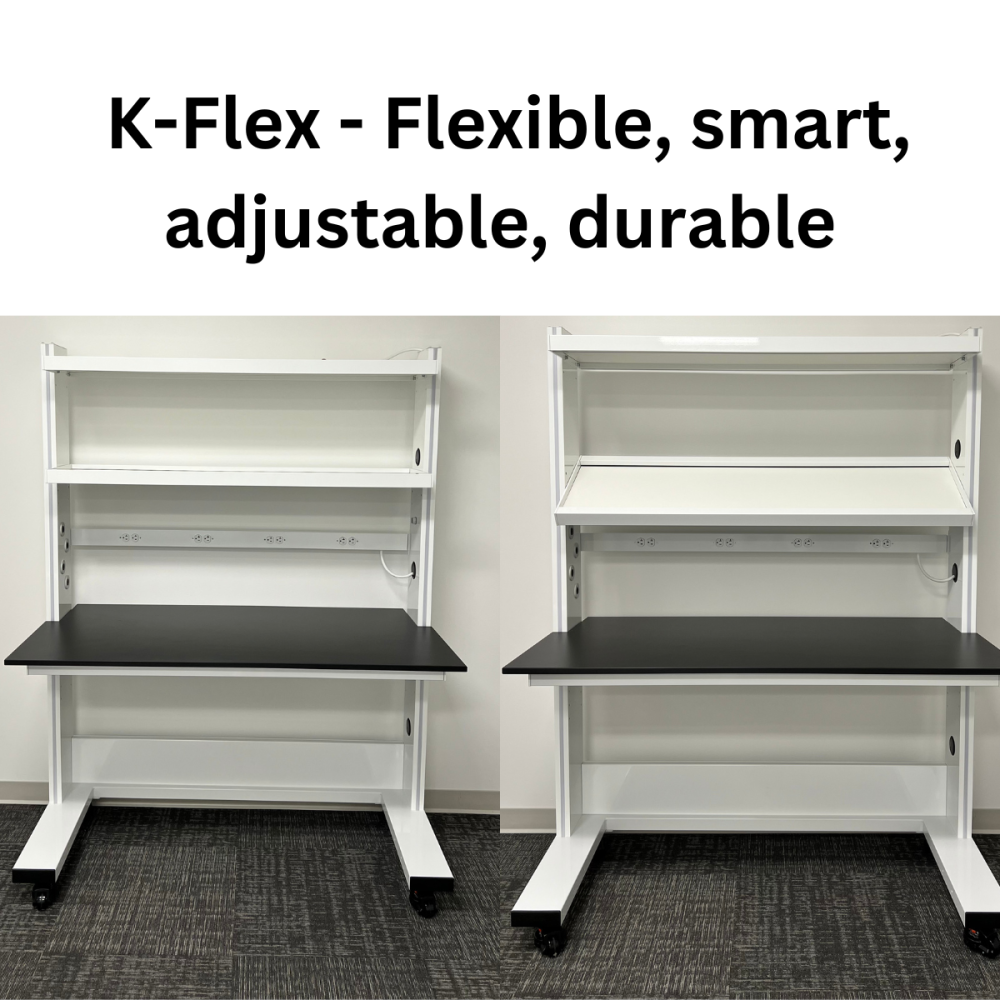
One of the most significant changes in lab furniture design has been the shift towards flexibility. Modular furniture systems, which allow components to be easily reconfigured, have become increasingly popular. This flexibility enables labs to quickly adapt to new projects, team structures, and research methods without the need for costly and time-consuming renovations. This flexibility is highlighted with benches such as the K-Flex from BICASA North America.
Embracing Sustainability
Sustainability has become a major consideration in the design of modern laboratory furniture. Many labs are now opting for furniture made from eco-friendly materials, such as recycled aluminum and sustainably sourced wood. In fact, 75% of the 1.5 billion tonnes of Aluminium ever produced is still in use today highlighting aluminum as one of the most recycled products on the planet.
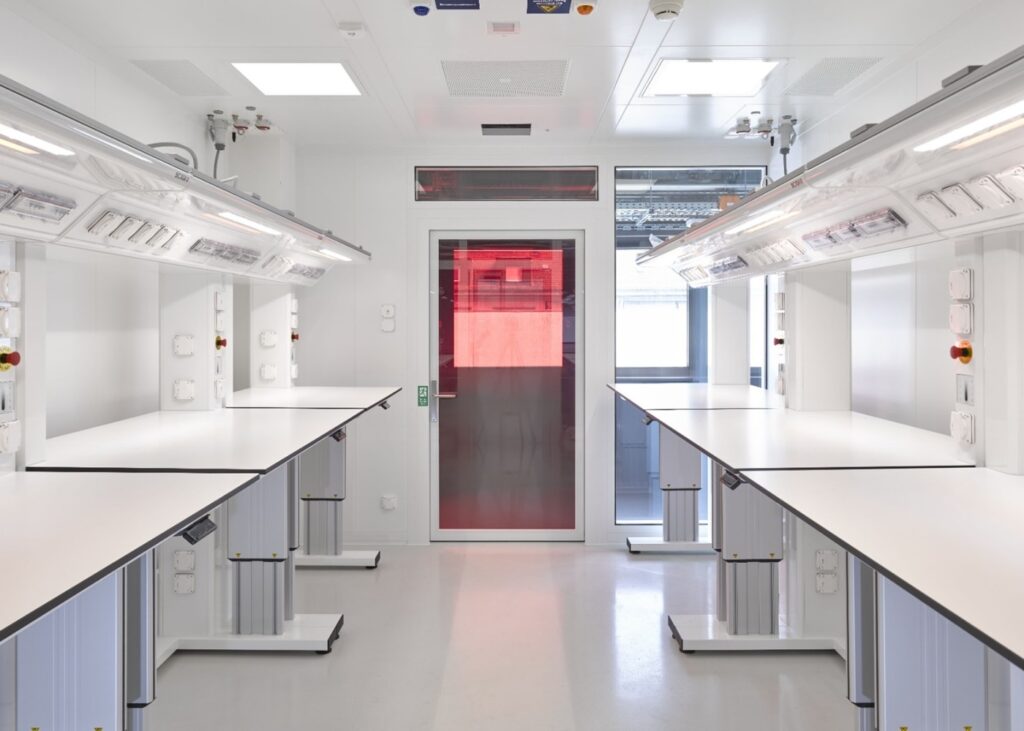
Additionally, energy-efficient lighting and equipment are being integrated into furniture designs to reduce the environmental impact of lab operations. BICASA North America is at the forefront of this movement, offering a range of sustainable furniture options that meet rigorous environmental standards.
Ergonomics and Safety
The health and safety of lab personnel have always been a top priority, but recent trends have placed even greater emphasis on ergonomic design. Adjustable workstations, anti-fatigue mats, and ergonomic chairs help reduce the risk of musculoskeletal disorders and improve overall productivity.
Technological Integration
The integration of technology into lab furniture is another exciting trend. Smart workstations equipped with built-in data ports and digital displays are becoming more common. These technological advancements not only enhance the functionality of lab furniture but also streamline workflows and improve efficiency.
Customization and Personalization
Every lab is unique, and modern furniture solutions are increasingly customizable to meet specific needs. From bespoke storage solutions to personalized workstations, customization allows labs to create environments that support their unique workflows and research goals. BICASA srl offers a range of customizable options to ensure that every lab can achieve its full potential.
Conclusion
The evolution of laboratory furniture reflects the changing needs and priorities of the scientific community. As labs continue to push the boundaries of discovery, the demand for flexible, sustainable, and ergonomic furniture solutions will only grow. By staying ahead of these trends, BICASA North America is helping to shape the future of laboratory design, one innovative solution at a time.
Stay tuned for more insights into the world of lab furniture and how BICASA srl is driving innovation in this critical field.
For further details please contact BICASA on [email protected] or T: 704 919 1350